About

The electrical engineer who became a storyteller.

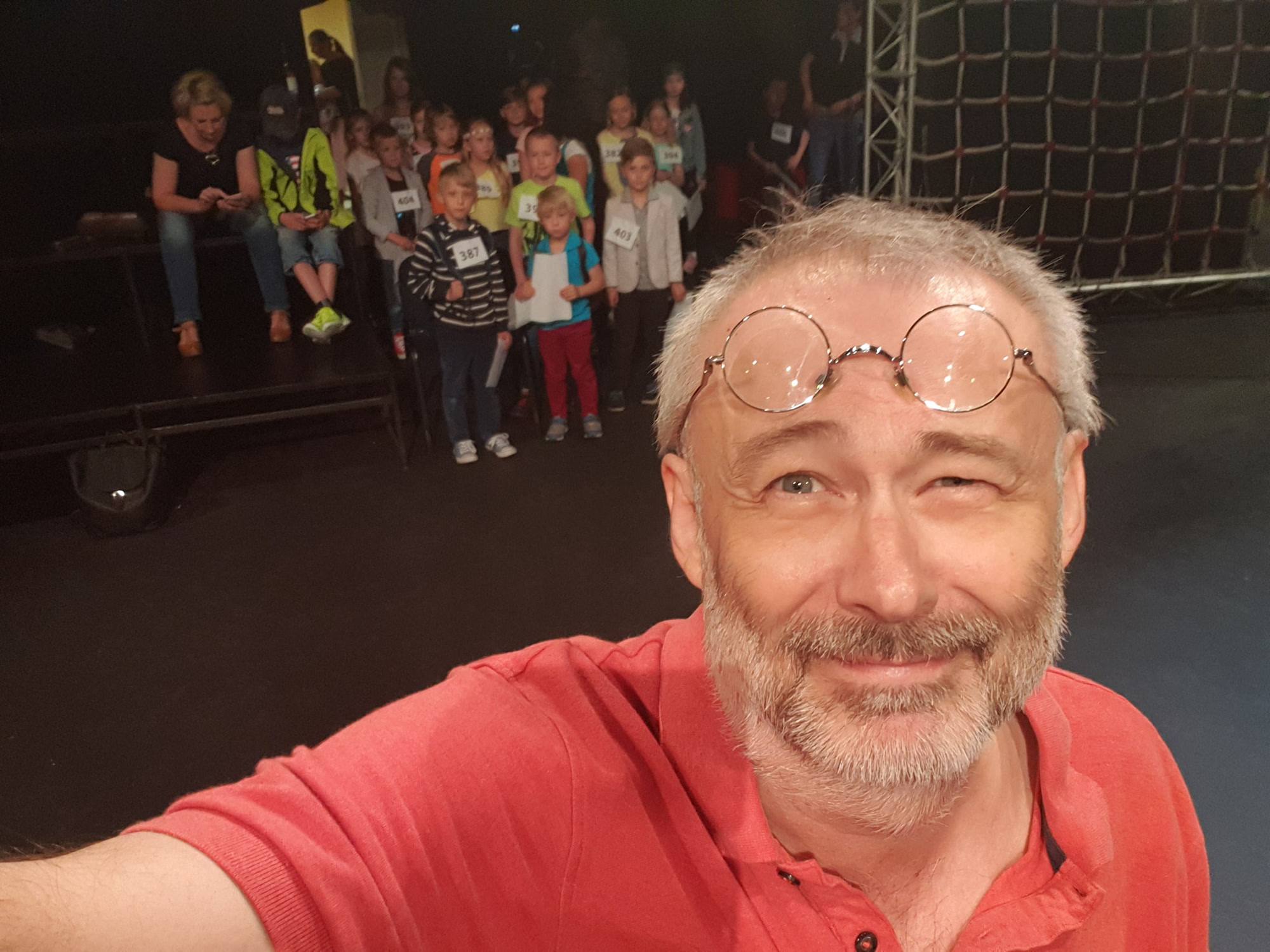
Vladimír Mráz in a red T-shirt taking a photo on stage, with a group of children wearing numbers waiting behind him

Vladimír Mráz was born in Ostrava and stayed loyal to the city, even when offers came from Prague. He directs, writes, produces and teaches. He has made over a thousand programmes for television, sent the animated Báječná show (A Wonderful Show) to cinemas and, past sixty, published his first book.

Born
16 June 1961, Ostrava
Studied
FAMU, Department of Documentary Film
Today
creative director of QQ studio Ostrava
Teaching
film and animation, since 2004

Biography

A story in nine chapters.

From engineering to film, from film to a book. With one detour past the communist vetting office and one borrowed tram.

Chapter 1 1961

Ostrava and electrical engineering

He was born on 16 June 1961 in Ostrava. He went to a technical school for electrical engineering and took a job as a computer specialist. A respectable profession, a steady wage. Film was meant to remain a hobby for his spare time.

It didn’t. Not that anyone knew it then – least of all him.

Chapter 2 from 1979

A guitar, a camera and one tram

His first love was music. He played guitar in the band Foton and wrote his first screenplay as a film with songs for his own group. He began filming with Konglomerát, an amateur film group in Vítkovice.

What was meant to be a music video turned into a wordless slapstick comedy, Nespěcháte někam? (Are You in a Hurry?), shot entirely on an Ostrava tram. The tram was found by the production manager, Miroslav Taichl. The film about the monotony of everyday life collected prizes at amateur competitions. At the Mladá kamera competition it caught the eye of the film editor Josef Valušiak, who sent its author to FAMU, the Prague film school.

In the meantime came the documentary Mistře, spolehněte se… (You Can Count on It, Sir…), about Mr Plch, a typewriter repairman, and the dance experiment Každý má svůj ručník (Everyone Has Their Own Towel).

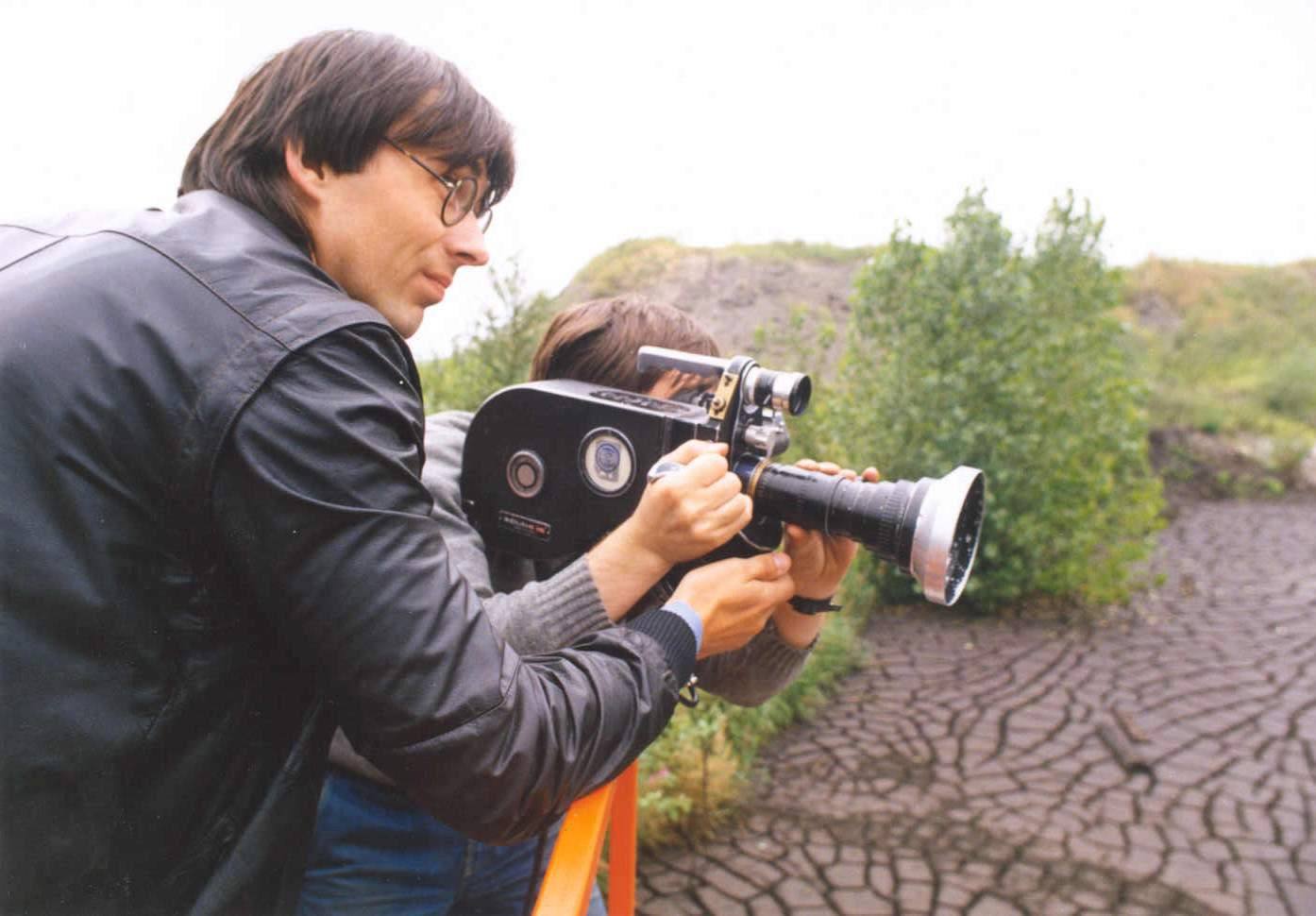
A young Vladimír Mráz looking through the viewfinder of a film camera on location
The 1980s. The hobby is beginning to look like a profession.

Chapter 3 1980s

FAMU, which at first wouldn’t let him in

He came top in the entrance exams for fiction directing. Even so, he wasn’t allowed to enrol: his family had a poor political record. Meaning: they had no love for the communists.

He was advised to improve his vetting report with some work experience. He took the advice literally and went into film – just from the other side, by way of the props store.

Chapter 4 1986

Krátký film: from props to directing

He spent three years at Prométheus, the Ostrava branch of Krátký film Praha, the Prague short-film studio. He was props man, camera assistant, production designer, assistant director and, in the end, director. The studio made animated films, documentaries and live-action stories for children. He couldn’t have invented a better school.

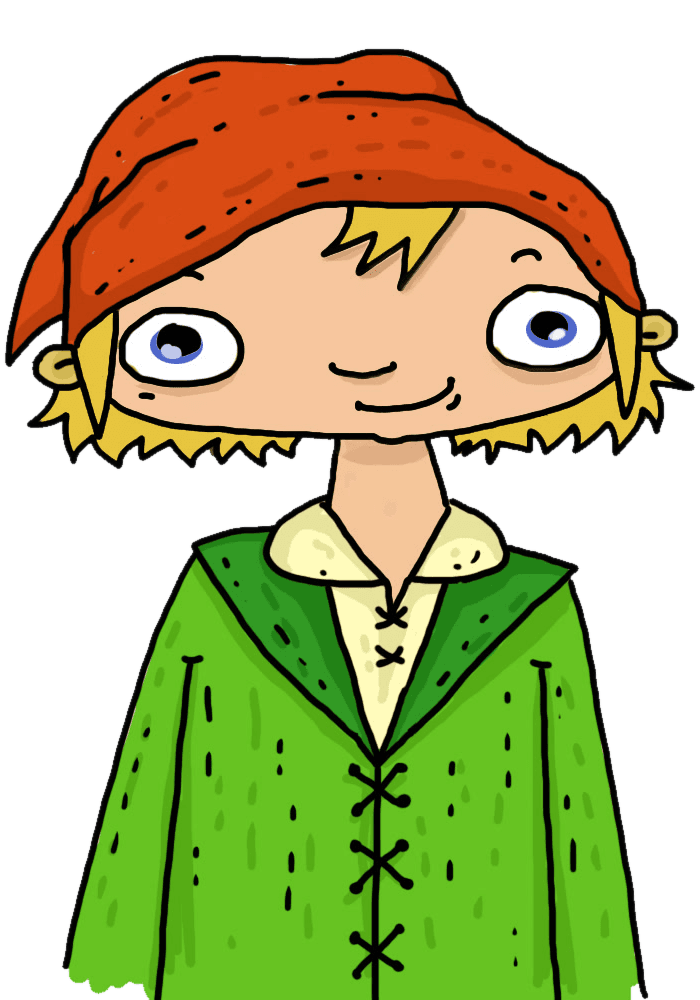
In 1986 Krátký film launched a competition for the best concept for an animated series. He sent in eight tales about an elf who lives in a department store, and won. The series was never made. The elf bided his time.

The same years produced the documentary …A já jsem neutíkal! (…⁠And I Didn’t Run Away!), about the nationalisation of a confectioner’s business in Sušice, shot on 35 mm film.

After three years he went back to FAMU. On the advice of people in the industry, this time he chose documentary. He was taught by Jan Špáta and Olga Sommerová, and Vladimír Michálek was in the same year. He graduated from the Department of Documentary Film.
Chapter 5 1989

Into television two months before the revolution

He joined the Ostrava studio of what was then still Czechoslovak Television about two months before the Velvet Revolution of November 1989. Timing like that can’t be planned.

In the 1990s he made dozens of documentaries, among them Vincenc Priessnitz, Evropa (Vincenc Priessnitz, Europe), Zlatý Raška a ti druzí (Golden Raška and the Others) and Robert Změlík, zlatý desetibojař (Robert Změlík, Golden Decathlete).

He was on the television payroll until 1992. Since then he has gone on working for it, only from his own studio. All told, that comes to over a thousand programmes for Czech Television, TV Nova and other broadcasters.

Chapter 6 1992

QQ studio: a joke that stuck

In 1992 the Prométheus studio in Ostrava was winding down. That same year QQ studio Ostrava was born: Vladimír Mráz founded it with the animator Elen Mrázová and the graphic artist and animator Lukáš Najbrt. It reportedly began as a lark – back then nobody in Ostrava was doing proper television effects.

The studio found its feet in computer graphics and animation. For Czech Television it produced more than eighty title sequences, for programmes such as Neváhej a toč! and Bludiště. Meanwhile Vladimír Mráz spent eleven years directing the magazine programme Pod pokličkou (Under the Lid), for which the studio created animated commentators, and co-directed the magazines Bydlení je hra (Home Is a Game), Zahrada je hra (The Garden Is a Game) and Chalupa je hra (The Cottage Is a Game).

More about QQ studio
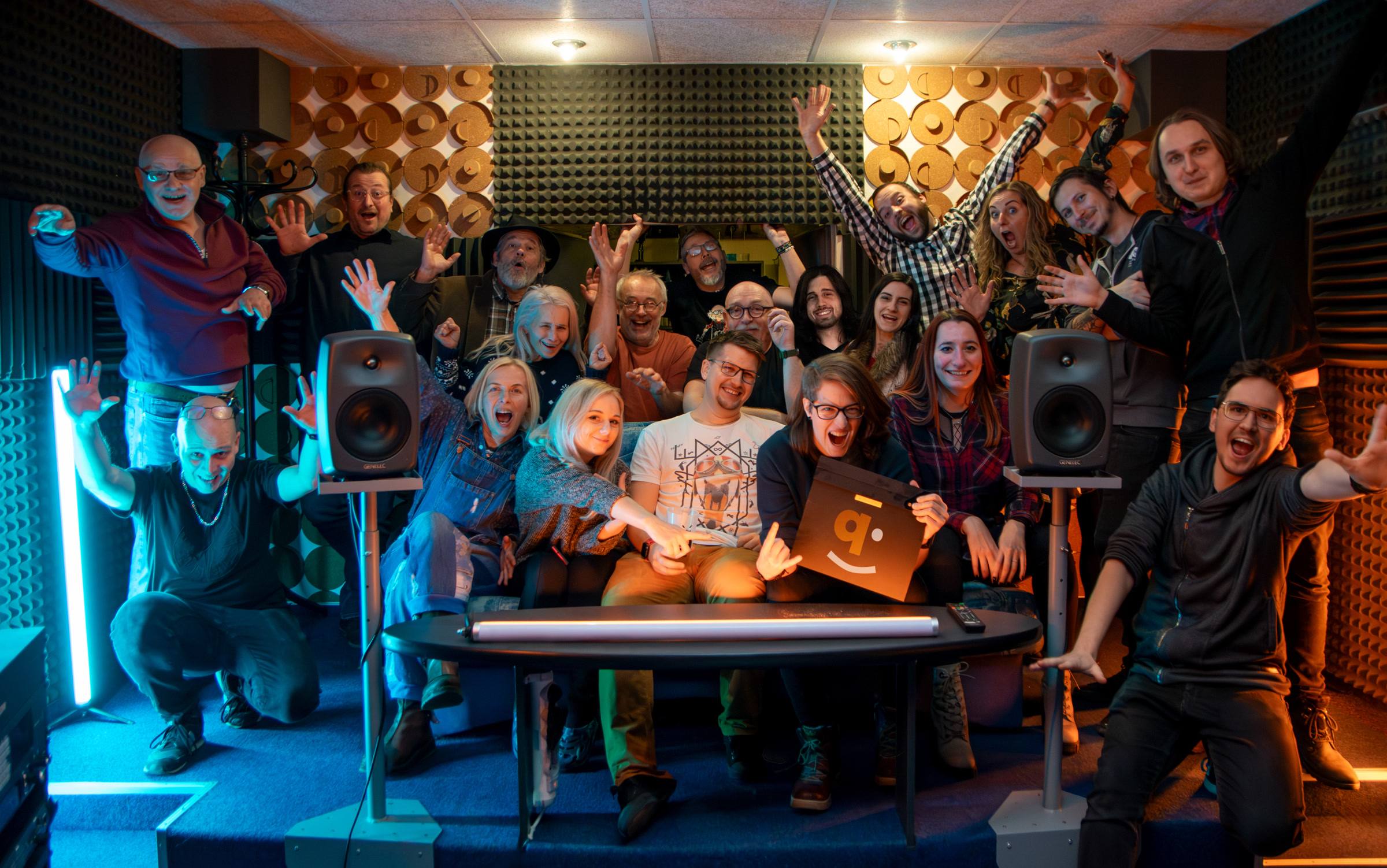
The QQ studio Ostrava team waving at the camera in the sound control room

Chapter 7 2002

For children – the most demanding audience

In 2002 he completed Báječná show, an animated feature based on La Fontaine’s fables. The music was composed by Boris Urbánek, and the characters were voiced by Václav Neckář, Dan Bárta, Věra Špinarová and Jiří Korn, among others.

There followed the animated sitcom Pytlíkov (2006), Staré pověsti české (Old Czech Legends, 2013) and two programmes for ČT :D, Czech Television’s children’s channel. Draci v hrnci (Dragons in the Pot) has been cooking since 2013; Ty Brďo! (Wow!) explained the world to pre-schoolers from 2015 to 2025.

The music for the children’s programmes is written by Dalibor Mráz and Elis. Her song Spring Reggae is the theme tune of Draci v hrnci.

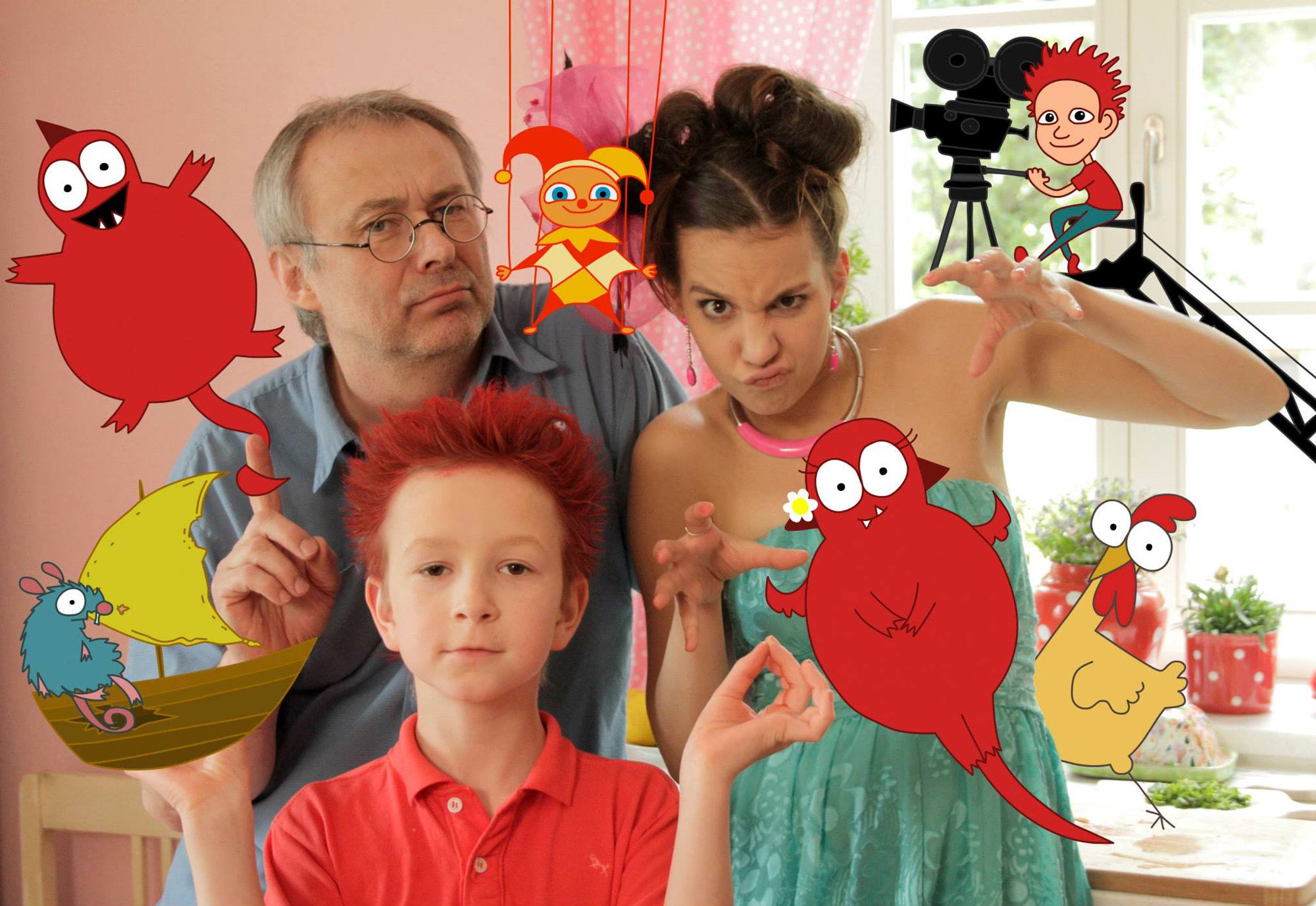
Vladimír Mráz with the child presenters and animated dragons of Draci v hrnci

Chapter 8 2016

Producer of fairy tales

Since 2016 his name has also appeared on feature films by other directors – as co-producer. It began with Ostravak Ostravski and continued with both instalments of Princezna zakletá v čase (Princess Cursed in Time, 2020 and 2022).

The fairy tale Zlatovláska (Princess Goldenhair) opened in cinemas on 23 January 2025, with 620 visual-effects shots by QQ studio. The same year brought Cukrkandl (Sugar Candy), and 2026 Princezna stokrát jinak (Princess Stella) and 6 gramů (6 Grams).

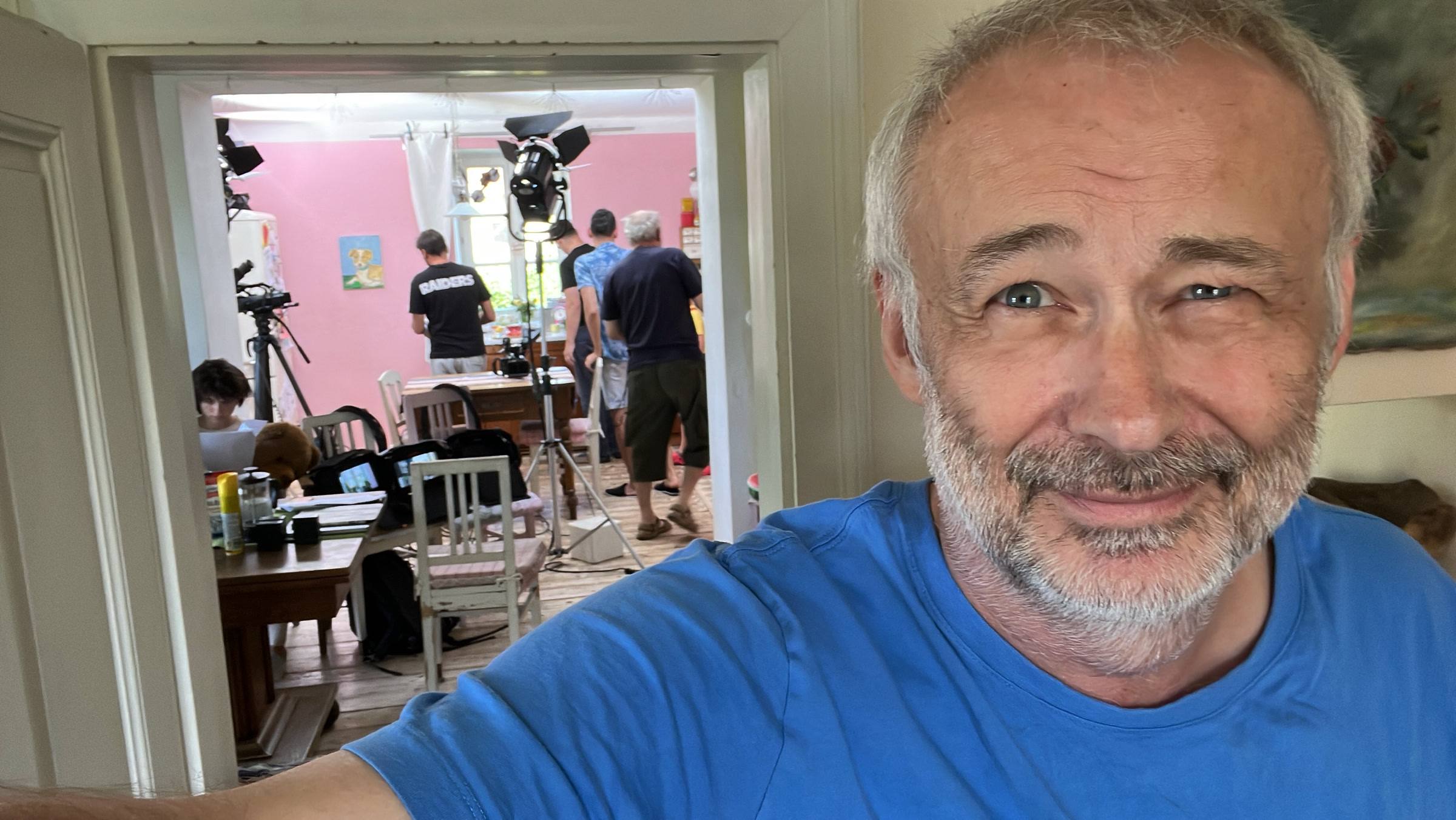
Vladimír Mráz smiling at the camera while a film crew sets up a shot behind him
On set. The crew works; Vladimír Mráz documents.

Chapter 9 2026

A debut after sixty

The eight tales from 1986 never went away. He kept writing, purely for pleasure, until there were twenty-six. In 2022 the elf found a voice: the Czech audiobook was read by Norbert Lichý, with music composed and recorded by Dalibor Mráz.

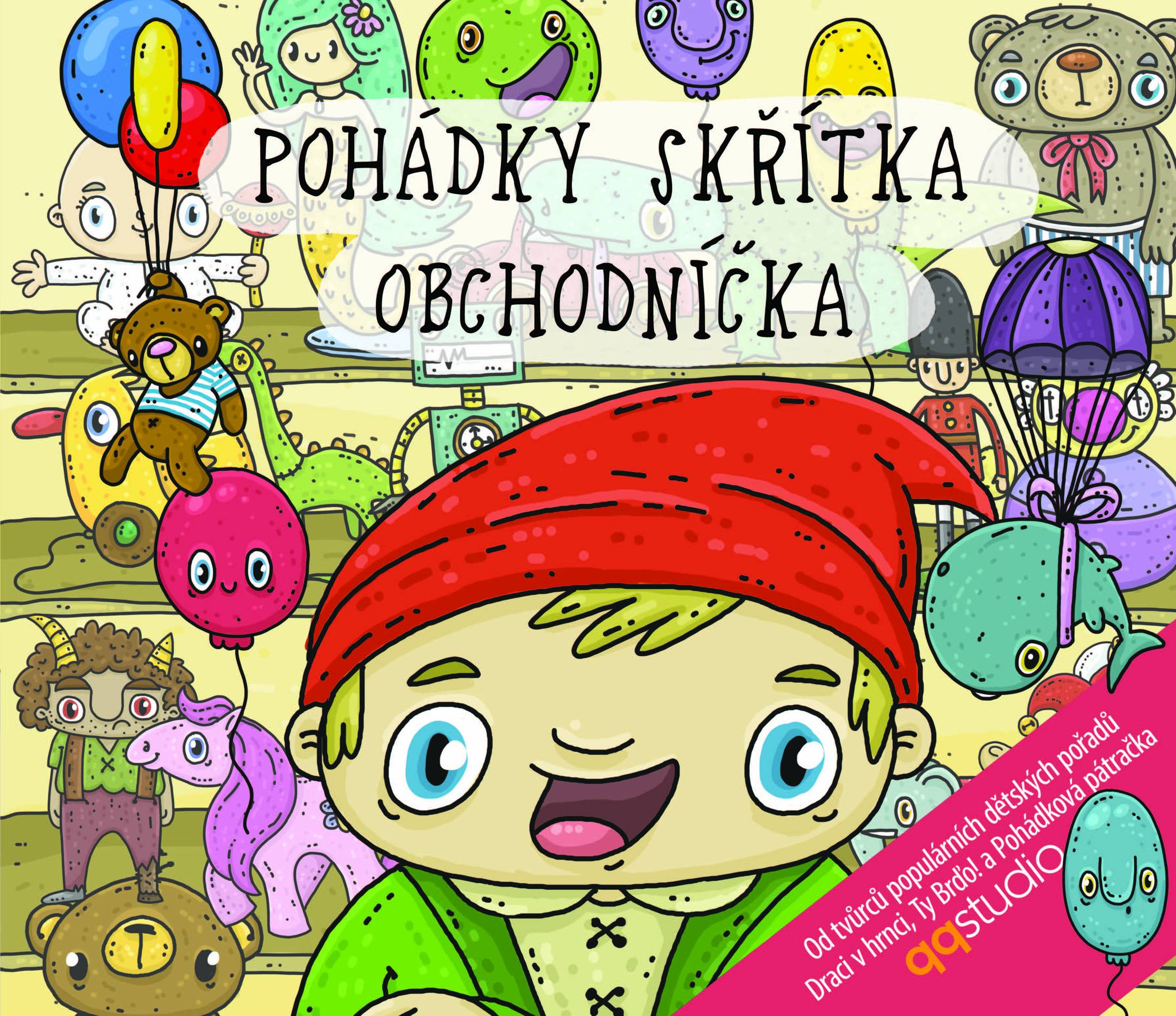
Since 1 September 2026 Pohádky skřítka Obchodníčka (Tales of the Elf Storekeeper) has been in print, illustrated by Barbora Křistková. It is his first book. From the first sentence to the first printed copy took forty years.

Cover of the Czech edition of Tales of the Elf Storekeeper (Pohádky skřítka Obchodníčka) Book, QQ Publishing 2026 Tales of the Elf Storekeeper More about the book

In dates

The same, in brief.

The version for anyone in a hurry. Eleven dates and one thing still in the making.

  1. Ostrava

    Born on 16 June in the city he has stayed loyal to.

  2. The elf’s first outing

    Eight tales about the Elf Storekeeper win Krátký film’s competition for an animated-series concept.

  3. Television

    Joins the Ostrava television studio. Two months later the regime falls.

  4. QQ studio Ostrava

    Founds a studio for animation, visual effects and graphics. He is its creative director to this day.

  5. Báječná show

    An animated feature based on La Fontaine’s fables: a plasticine musical with music by Boris Urbánek.

  6. At the lectern

    Begins teaching animated film at the University of Ostrava. Since 2011 he has lectured at the Silesian University in Opava.

  7. Draci v hrnci

    A children’s cookery programme launches on ČT :D. Two years later it is joined by Ty Brďo!

  8. First co-production

    Ostravak Ostravski opens a run of feature films that carry his name as co-producer.

  9. Audiobook

    Norbert Lichý reads the tales of the Elf Storekeeper; Dalibor Mráz composes and records the music.

  10. Zlatovláska

    The fairy tale reaches cinemas on 23 January. QQ studio created 620 visual-effects shots for it.

  11. The book

    The tales come out in print on 1 September. A first book after forty years of writing.

Creative approach

Four things he insists on.

Gathered from interviews and retold. If you’d rather hear the original (in Czech), you’ll find it a little further down.

  1. He hears it first.

    He composes a programme like a symphony. First he hears the whole thing in his head – the colours of the voices, the sound effects, even the silence – and only then adds the picture. Music is his inner metronome. He can’t stand chaos.

  2. Children are the strictest jury.

    They aren’t polite; they’re honest. If a picture bores them, they turn the page. So he never underestimates them: he wants to draw them in, surprise them and hold their attention – and stay kind while doing it.

  3. A moral without a wagging finger.

    Wisdom belongs in a story like salt in soup: you shouldn’t see it, only taste it. His model is Jan Werich – merry on the surface, wise underneath, understood by children and adults at once.

  4. Technology is no substitute for an author.

    Almost everyone has a camera and an edit suite to hand these days. A point of view of their own, not so much. He is happy to use artificial intelligence – rather like a librarian who knows a great deal and occasionally makes things up. The final say he leaves to people.

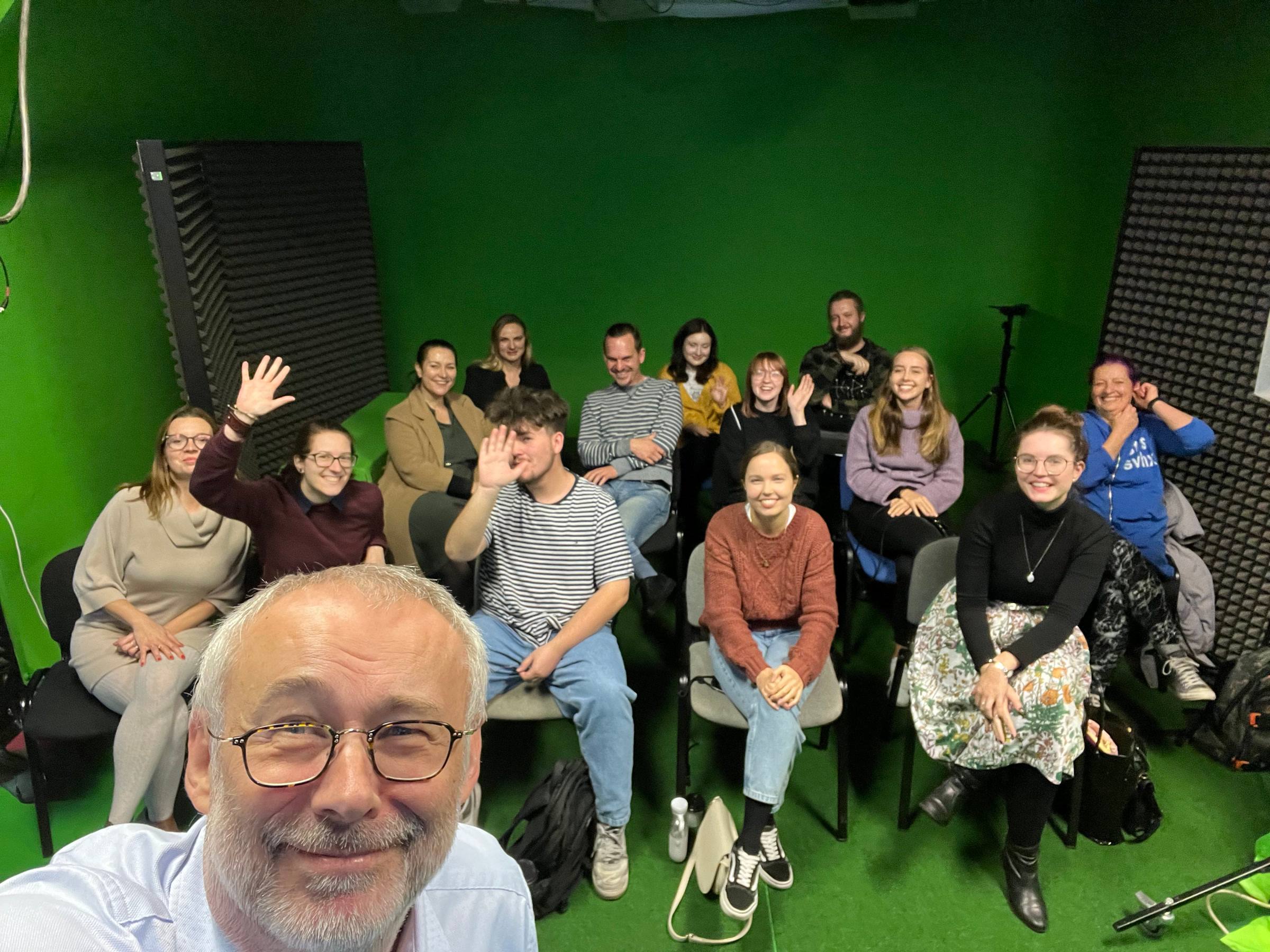
Vladimír Mráz with students in a film studio in front of a green screen

Teaching

From the set straight to the lecture hall.

He began teaching in 2004: camera, editing, animation and, above all, the language of film – how to tell a story in pictures.

With students in the studio. The green backdrop is a working tool, not decoration.

  1. 2004

    University of Ostrava

    Department of Fine Arts, animated film programme. Lecturer.

  2. 2007

    Eduard Marhula School of Art

    The language of film.

  3. 2011

    Silesian University in Opava

    The language of film and television, plus a course in animated film.

  • 2006–2011 member of the Arts Council of the University of Ostrava
  • 2008–2011 member of the School Board of the Janáček Conservatory

And because it pays to start early: for ten years QQ studio also ran a children’s film club.

Work

A thousand programmes wouldn’t fit on one page.

Films, series and programmes for children and adults are all together on the next page.

Explore the work